Cheese has become a surprisingly divisive topic in the world of tacos. For diners outside of Mexico, a taco without cheese may seem incomplete, yet, in traditional Mexican culinary culture, cheese is not a standard topping; its inclusion depends on the dish’s style, region, and purpose.
Understanding this changes how authenticity is perceived and helps people appreciate what’s inside a tortilla.
Not Every Taco Includes Cheese and That Is Intentional
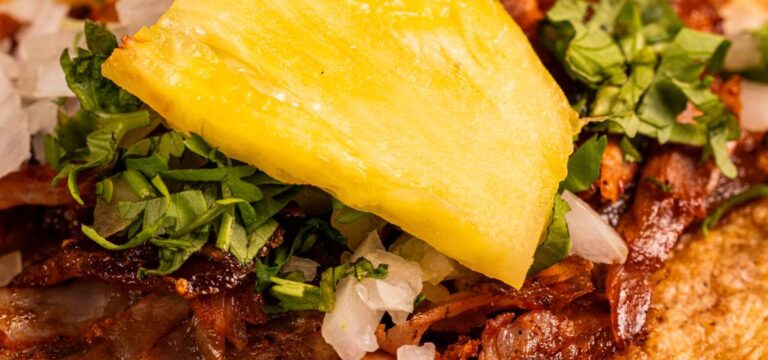
In Mexican street food tradition, many iconic tacos are served with meat, tortilla, and fresh garnishes such as onion, cilantro, salsa, or pineapple. The flavor strategy focuses on the contrast between properly cooked meat, warm tortilla, and a bright acidic salsa rather than dairy richness. Adding cheese would mute that interaction and distort the intended balance.
Some of the most respected taco styles are naturally cheese-free, including traditional tacos al pastor, suadero, carne asada, tripa, and campechano.
These tacos emerged from fast street environments where the goal was to eat quickly, enjoy the protein’s technique—marinades, cuts, trompo roasting, griddling—and highlight the freshness of the garnishes; cheese simply had no culinary role in this context.
The Ideal Location for Cheese: The Reasons Why it Works
There are also preparations where cheese does belong and adds real value. These are tied to regions with stronger dairy traditions or to formats where cheese binds ingredients and enhances texture. Examples include quesabirria, gringas Mexican food made with flour tortillas and melted cheese, as well as vampiros.
At Tacos La Potranca, we know that in these cases, cheese is not just a garnish; it adds elasticity, crunchiness, or cohesion depending on the format, and balances the fat with the dairy products.
Learn more about our story and traditional preparation.
Regional Diversity Explains Different Expectations
Mexico’s culinary map is incredibly diverse: northern states tend to use more cheese and flour tortillas, while central regions like Mexico City focus on corn tortillas and cheese-free street tacos. For example, a visitor might see gringas in places like Sonora or Nuevo León, but find suadero and pastor without cheese in Mexico City.
In other words, authenticity is regional, not universal. Recognizing this reduces the temptation to apply one definition of authenticity to a country with dozens of them.
How Tex-Mex Shaped the Global Cheese Narrative
The idea that “every taco needs cheese” didn’t originate in Mexico—it was shaped by Tex-Mex cuisine in the United States. As Tex-Mex gained visibility through restaurants and media, the image of tacos with shredded cheese, lettuce, and ground beef became the default for many diners outside Mexico.
That exposure created a global expectation, even though traditional Mexican street tacos rarely follow that format.
Modern Food Culture Accepts Multiple Authenticities
Today’s diners are discovering that Mexican cuisine is not a single fixed standard. Ordering an al pastor taco without cheese does not make it “less Mexican,” and enjoying a crispy vampiro overloaded with cheese does not make it inauthentic. Culinary intent matters more than hard rules: if a recipe calls for cheese based on region and tradition, that’s authenticity.
Tacos La Potranca: Where Technique Meets Expectation
At Tacos La Potranca, we witness the cheese debate play out daily. Some guests expect cheese on everything, while others specifically request tacos “just like they are in Mexico.” Our approach is simple: we respect the tradition.
We serve classic tacos, such as al pastor and suadero, without cheese, allowing the marinade, trompo caramelization, and fresh garnishes to take center stage. At the same time, we offer Vampiros, Gringas, and Quesabirria, where cheese is part of the dish’s identity, not an afterthought.
To us, cheese isn’t a matter of debate—it’s a tool.
Traditional Mexican Tacos: Cheese Matters, But Context Matters More
In traditional Mexican tacos, cheese matters because it reflects regional culture, culinary purpose, and technique. While some of the country’s most important taco styles thrive without dairy, others depend on it for texture and structure. The result is not a contradiction, but rather, diversity.
Understanding when and why cheese belongs helps diners appreciate Mexican food for what it truly is: varied, regional, and rooted in tradition.See our complete selection of tacos and Gringas and more on our menu. Also u can follow us on Instagram for authentic Mexican street food.